10 Best Yoga Poses for Back Pain
1. Cat-Cow (Marjaryasana-Bitilasana):
Cat-Cow is an excellent flow to start a yoga practice to warm the spine, relax the torso, and restore the natural curvature of the spine.
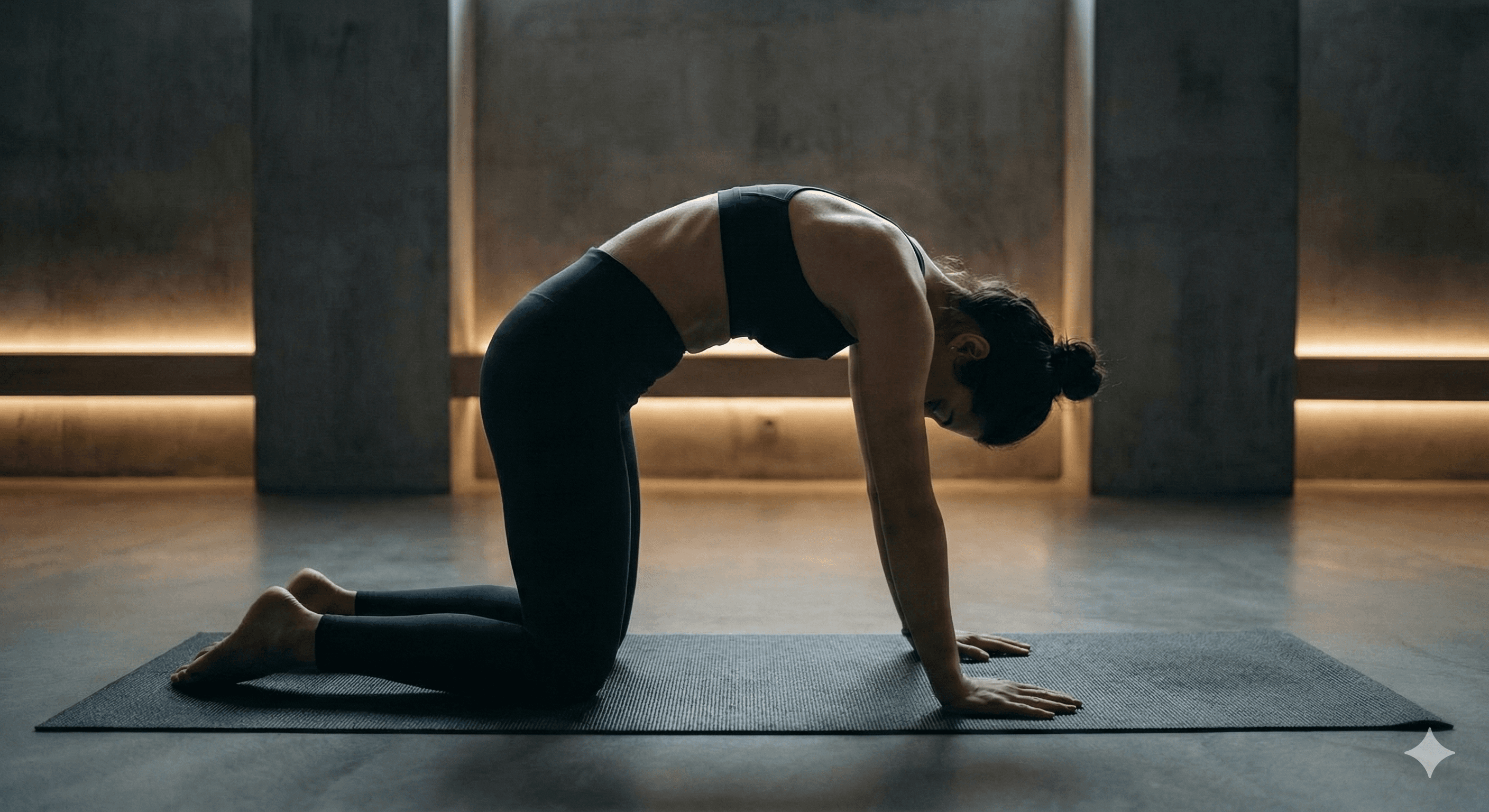
How to do it: Begin in a tabletop position on hands and knees. Inhale: drop your belly toward the floor, lift your chest and tailbone toward the ceiling (Cow). Exhale: pull your belly button to your spine, and round your back toward the ceiling (Cat).
Why it works: Cat Cow is a great way to give your spine a deep massage and relieve the stiffness in the lower and middle back.
2. Child's Pose (Balasana):
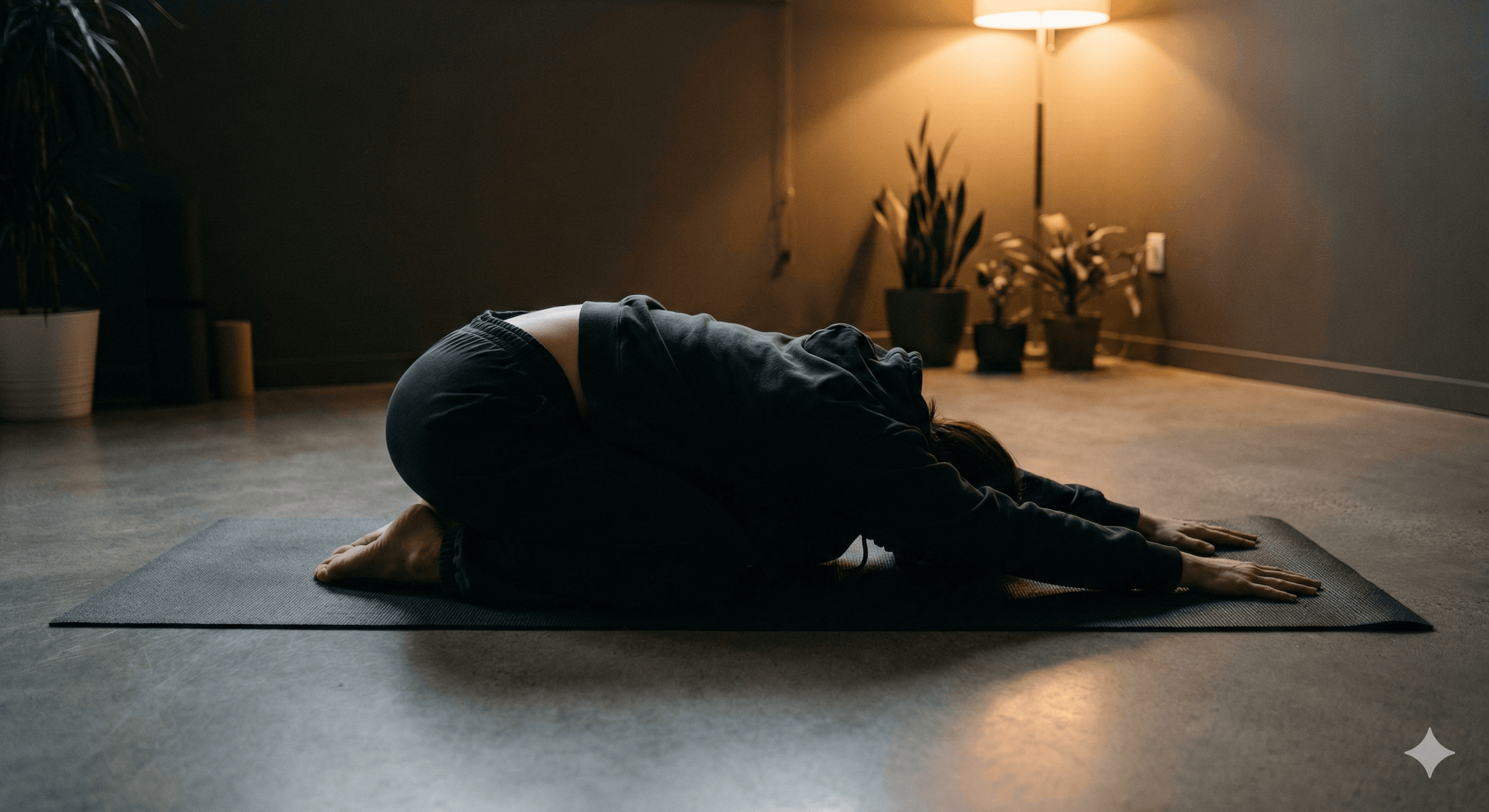
A wonderful resting pose that will lengthen the lower back, hips, and thighs while relaxing the central nervous system.
How to do it: Kneel on the floor with your big toes together and your knees apart. Sit back on your heels. Walk your hands forward so your forehead touches the floor.
Why it works: This pose is fantastic for decompressing the lower back, and also gently extends the vertebral column.
3. Downward-Facing Dog (Adho Mukha Svanasana):
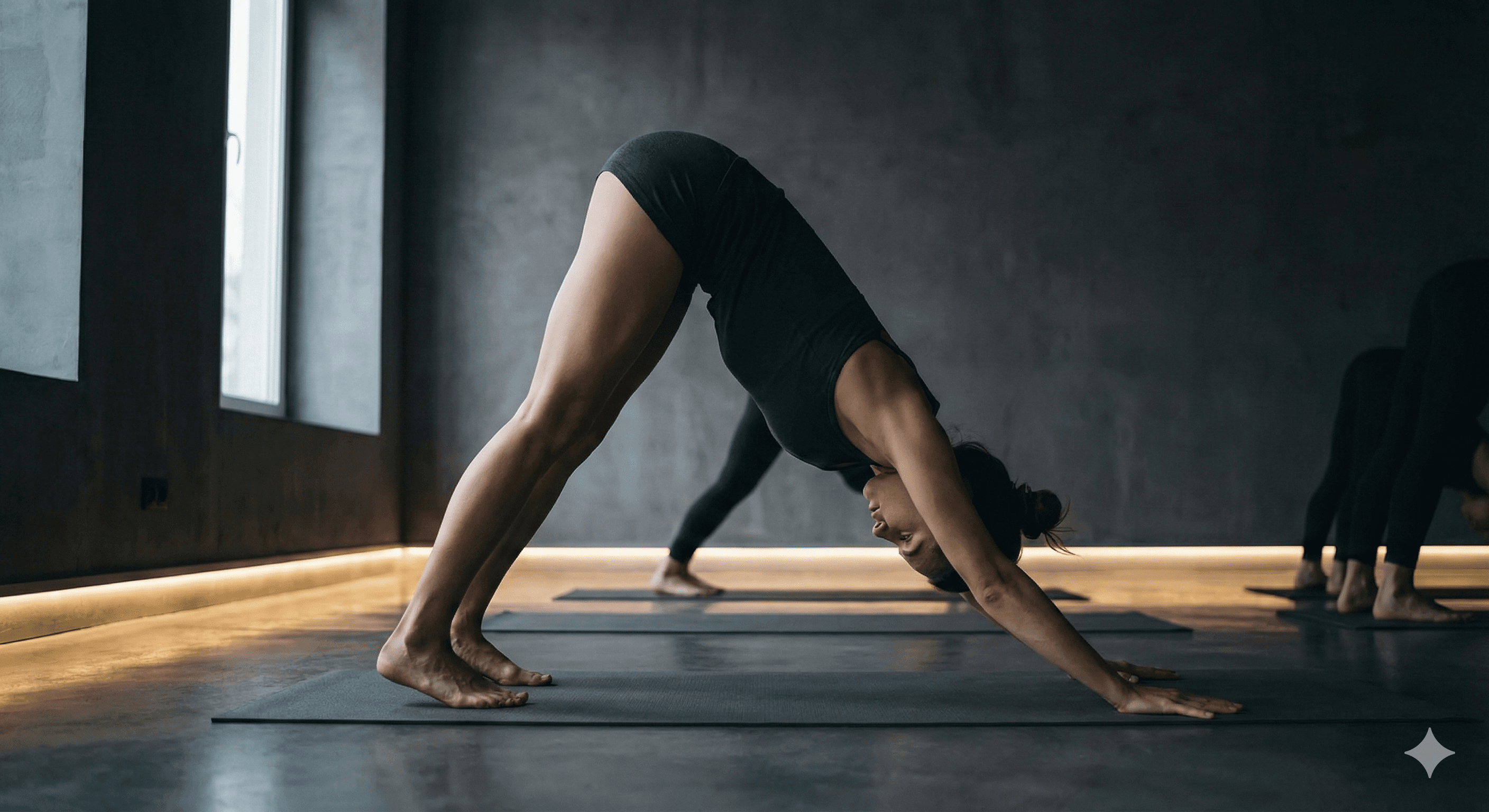
This foundational yoga pose will stretch the backside of your entire body, particularly the hamstrings and lower back.
How to do it: From hands and knees, tuck your toes under and lift your hips to the ceiling. If your hamstrings are tight, keep your knees slightly bent and press your chest toward your thighs.
Why it works: Hamstrings are the #1 cause of lower back pain. The downward-facing dog pose will ease this tightness while developing strength in your core and shoulders.
4. Sphinx Pose (Salamba Bhujangasana):
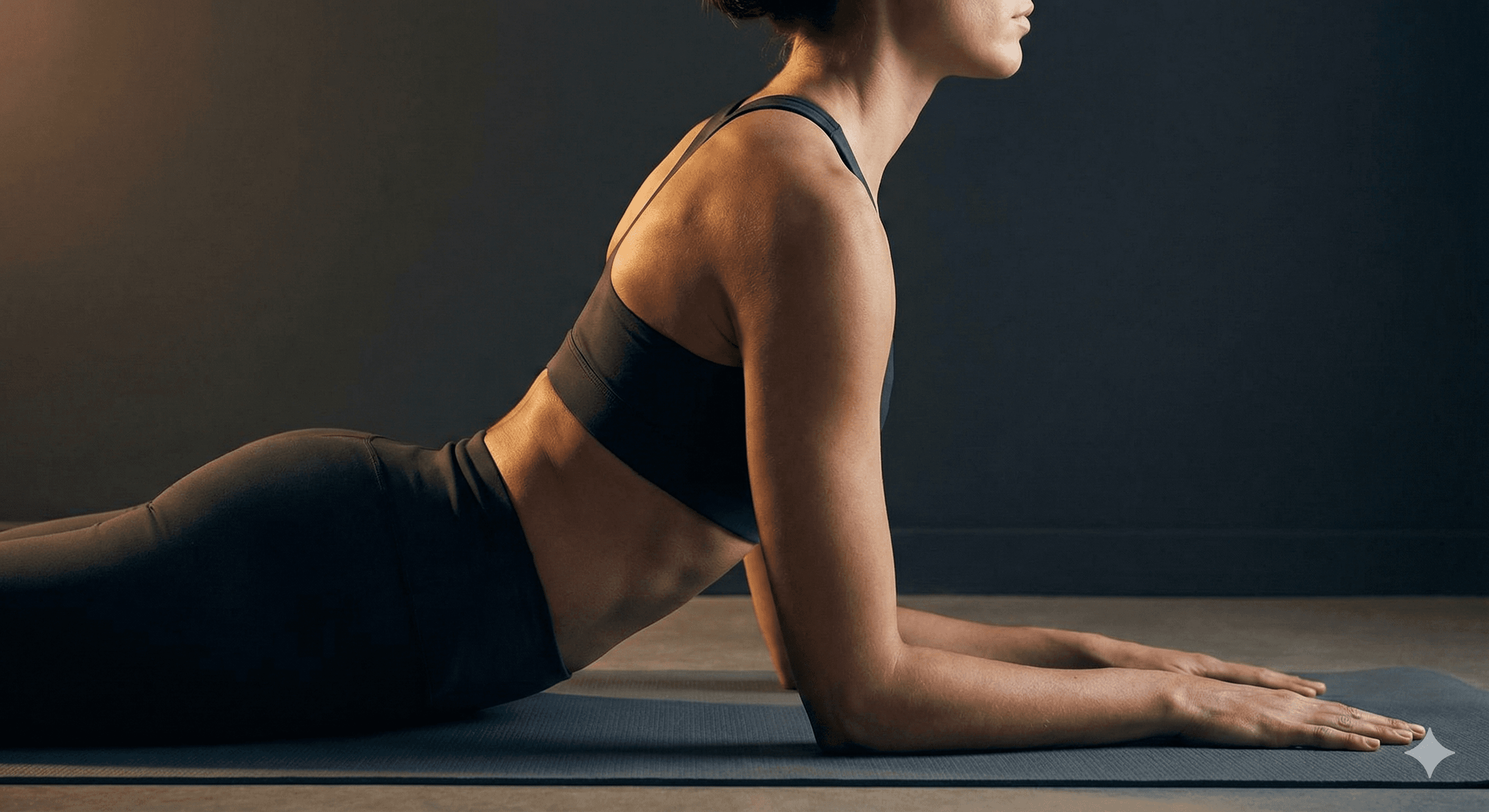
An easy backbend for beginners or those who have acute lower back pain.
How to do it: Lie on your stomach with your legs straight. Place your forearms on the floor and slide them just below your shoulders. Lift your chest as you push your palms and forearms into the floor.
Why it works: This pose encourages the natural inward curve of the lower back and strengthens the erector spinae muscles.
5. Thread the Needle (Parsva Balasana):
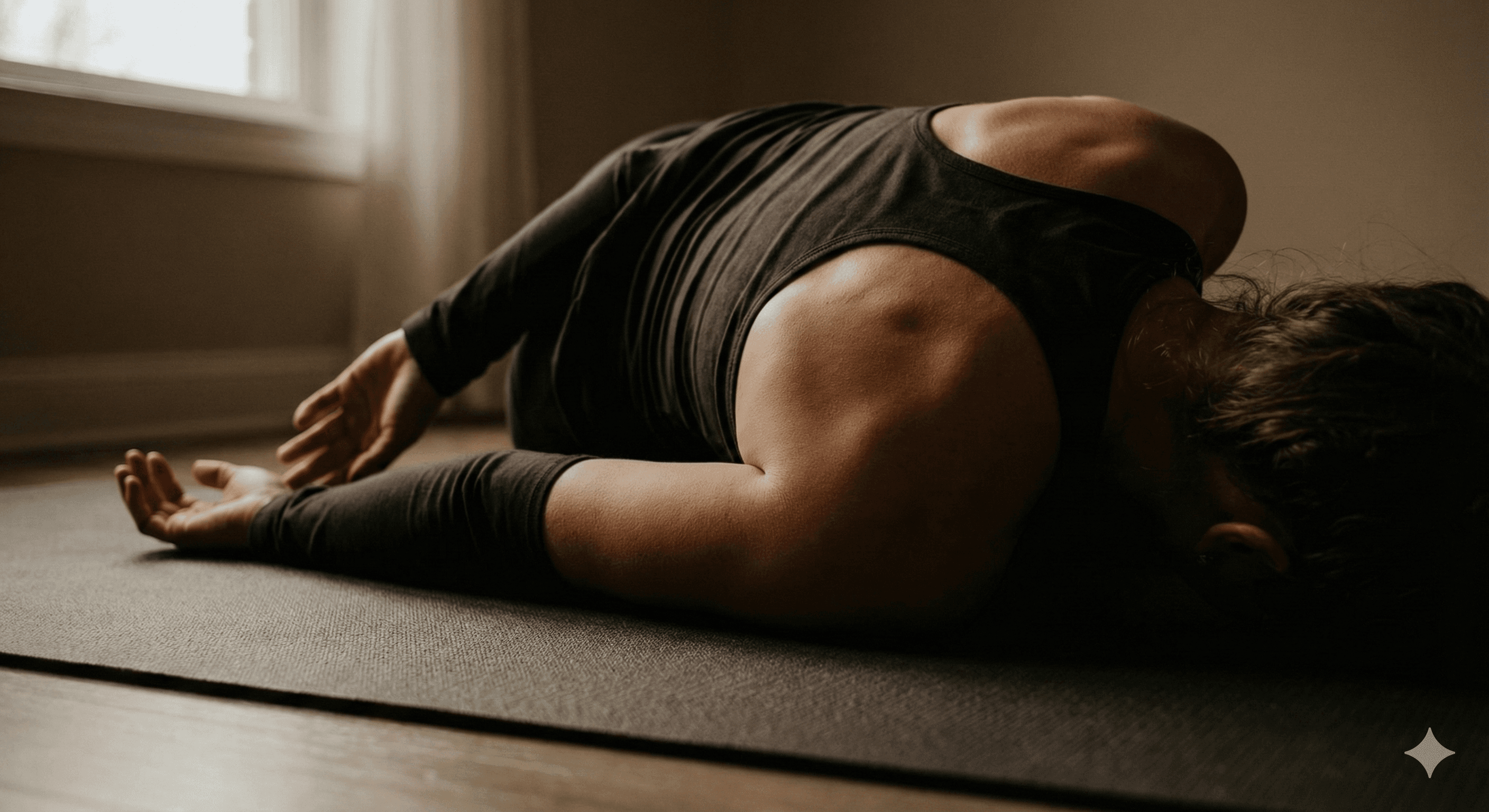
One of the most effective poses for releasing tension in the upper back and between the shoulder blades.
How to do it: From hands and knees, slide your right arm through your left arm. Bring your right shoulder and the right side of your head to the floor. Keep your hips lifted.
Why it works: This pose gives you a small spinal twist that allows the thoracic spine to open up when we typically get hunched over our keyboards.
6. Bridge Pose (Setu Bandhasana):
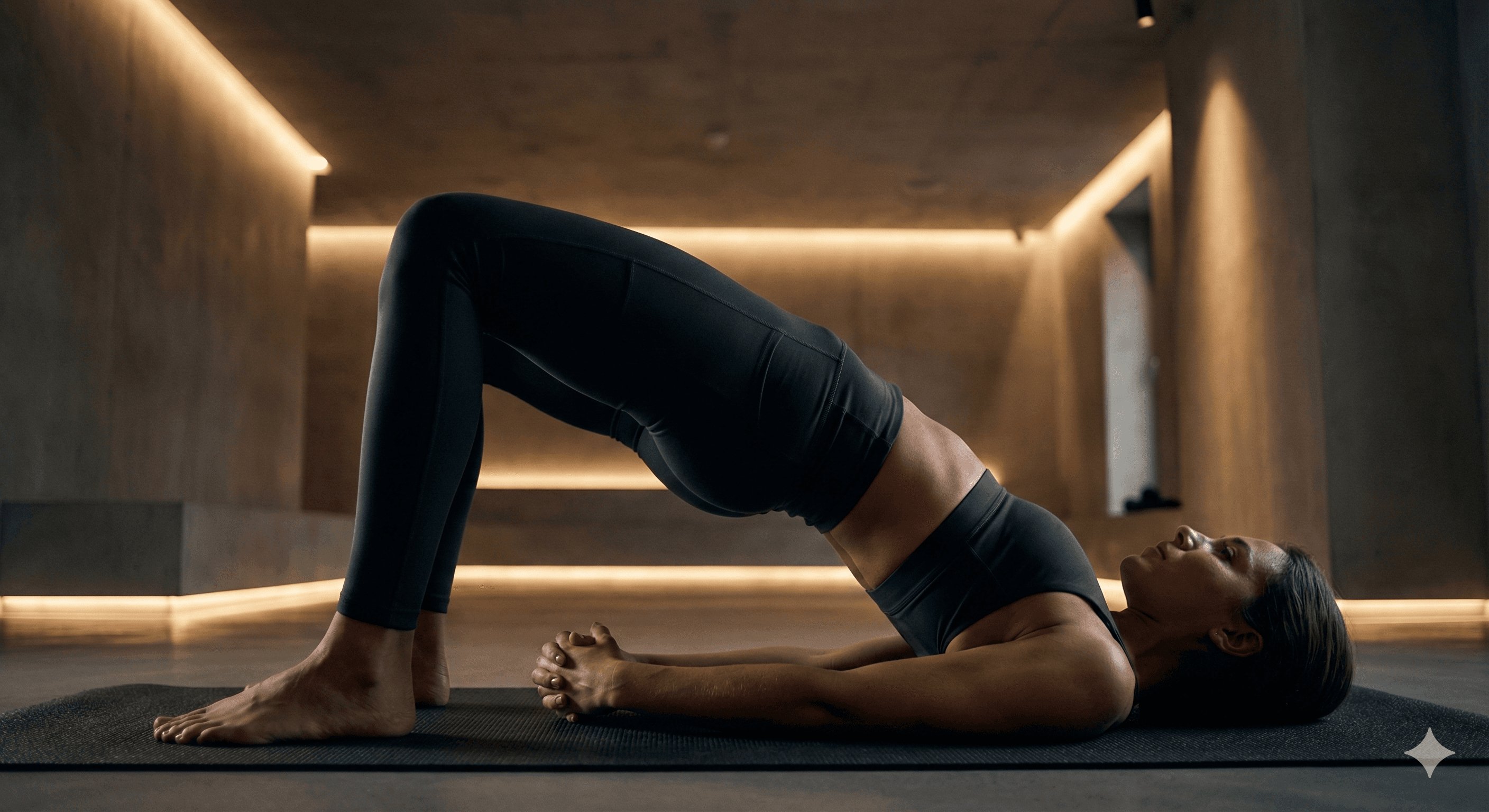
This pose is designed to build strength in the glutes and lower back and stretch the hip flexors and chest.
How to do it: Lie on your back with your knees bent and feet flat on the floor, hip width apart. Push your feet into the floor and lift your hips to the ceiling.
Why it works: Weak glutes put strain on the lower back, which is why building strong glutes is key to reducing lower back pain. This pose stimulates the glutes and relieves pressure in the lower back.
7. Supine Spinal Twist (Supta Matsyendrasana):
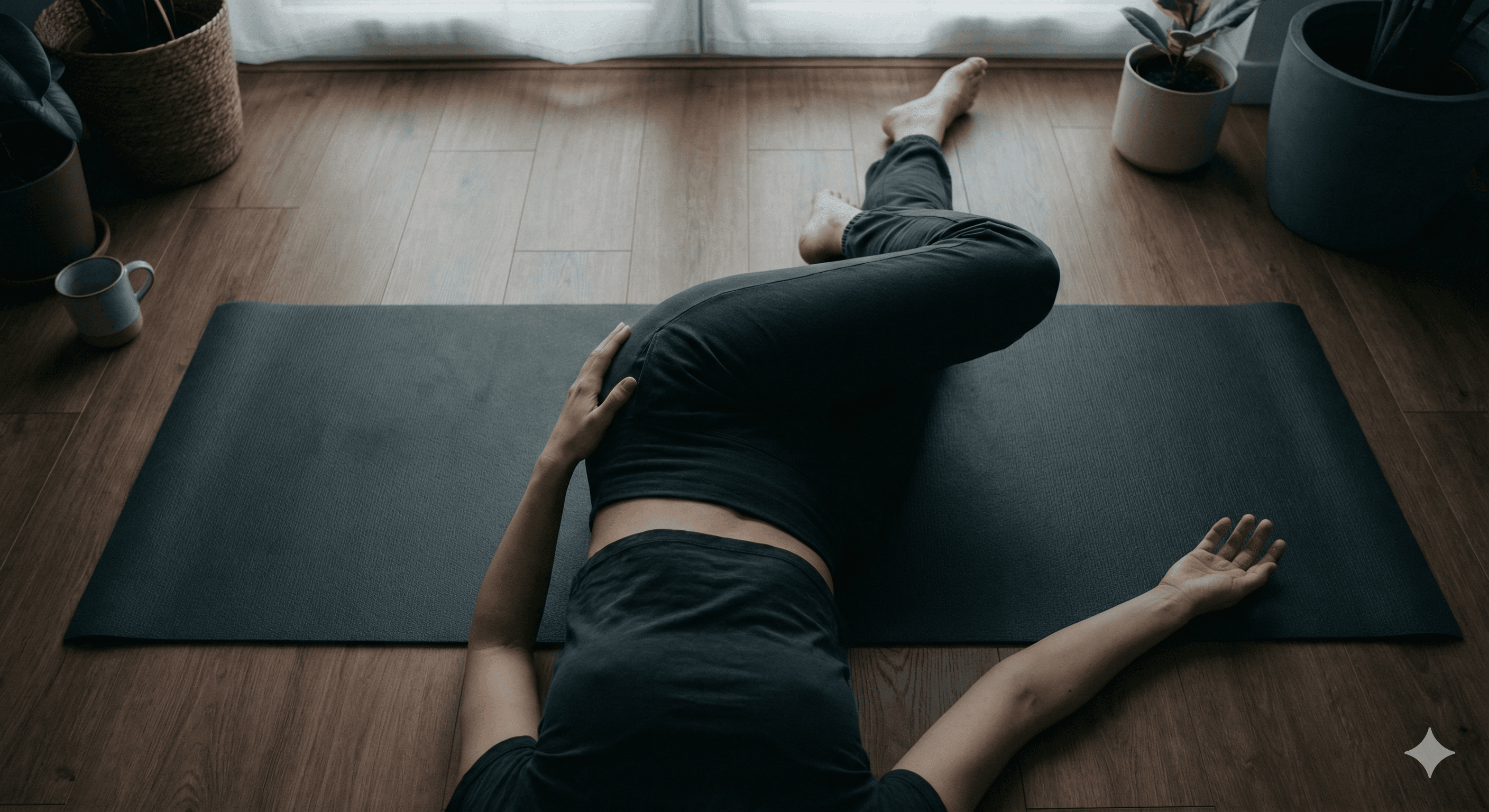
A restorative twist to release the tension in your lower back and glutes.
How to do it: Lie on your back. Pull your right knee into your chest and then move it across your body to the left side. Place your right arm on the outside of your right thigh and look to the right.
Why it works: Twists hydrate the spinal discs and loosen tight muscles that run along the spine.
8. Knee-to-Chest (Apanasana):
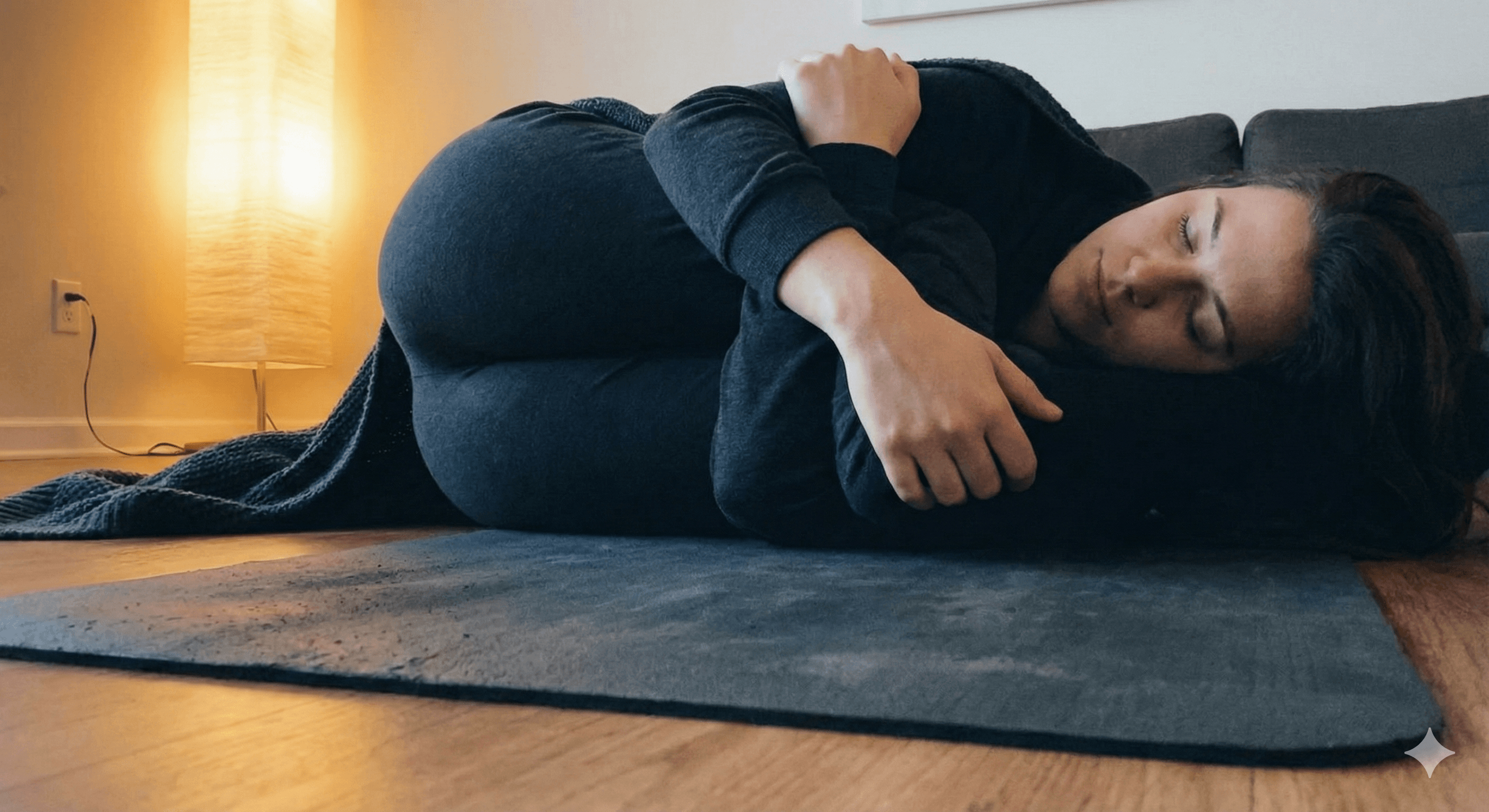
Simple and highly effective stretch for the lower back.
How to do it: Lie on your back and bring both knees into your chest. Hold your shins and slowly sway from side to side.
Why it works: This pose flexes the lower spine and provides instant relief from pressure while giving the lower back area a self-massage.
9. Pigeon Pose (Eka Pada Rajakapotasana):
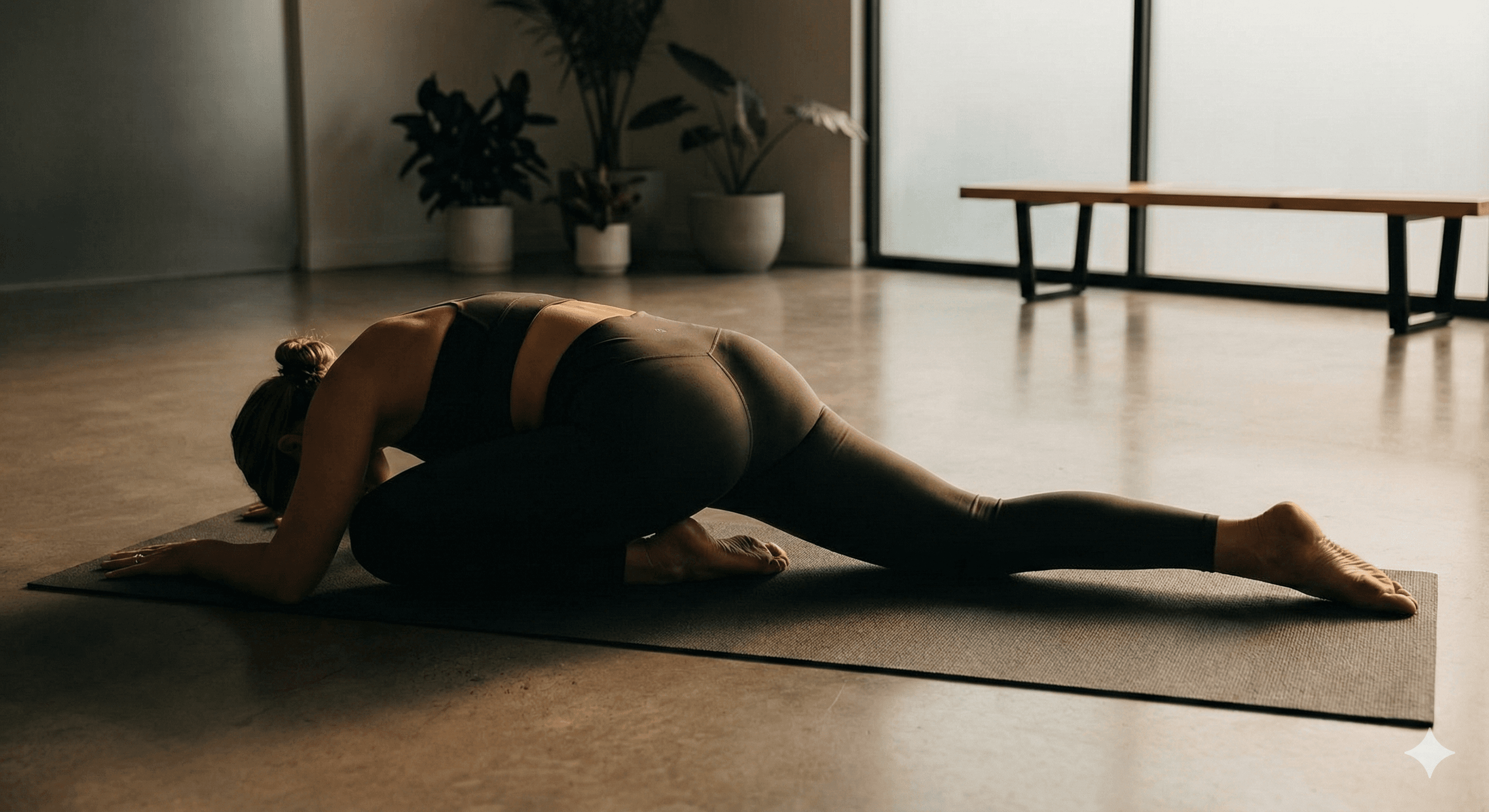
A deep hip opener that is essential for those experiencing sciatic pain or lower back tightness.
How to do it: Start in hands and knees. Bring your right knee forward behind your right wrist and bring your right ankle toward your left wrist. Stretch your left leg backward and slowly lower your upper body toward the floor.
Why it works: Pigeon Pose loosens the piriformis muscle and hip rotators. When these muscles tighten, they can irritate the sciatic nerve and pull the lower back.
10. Legs Up the Wall (Viparita Karani):
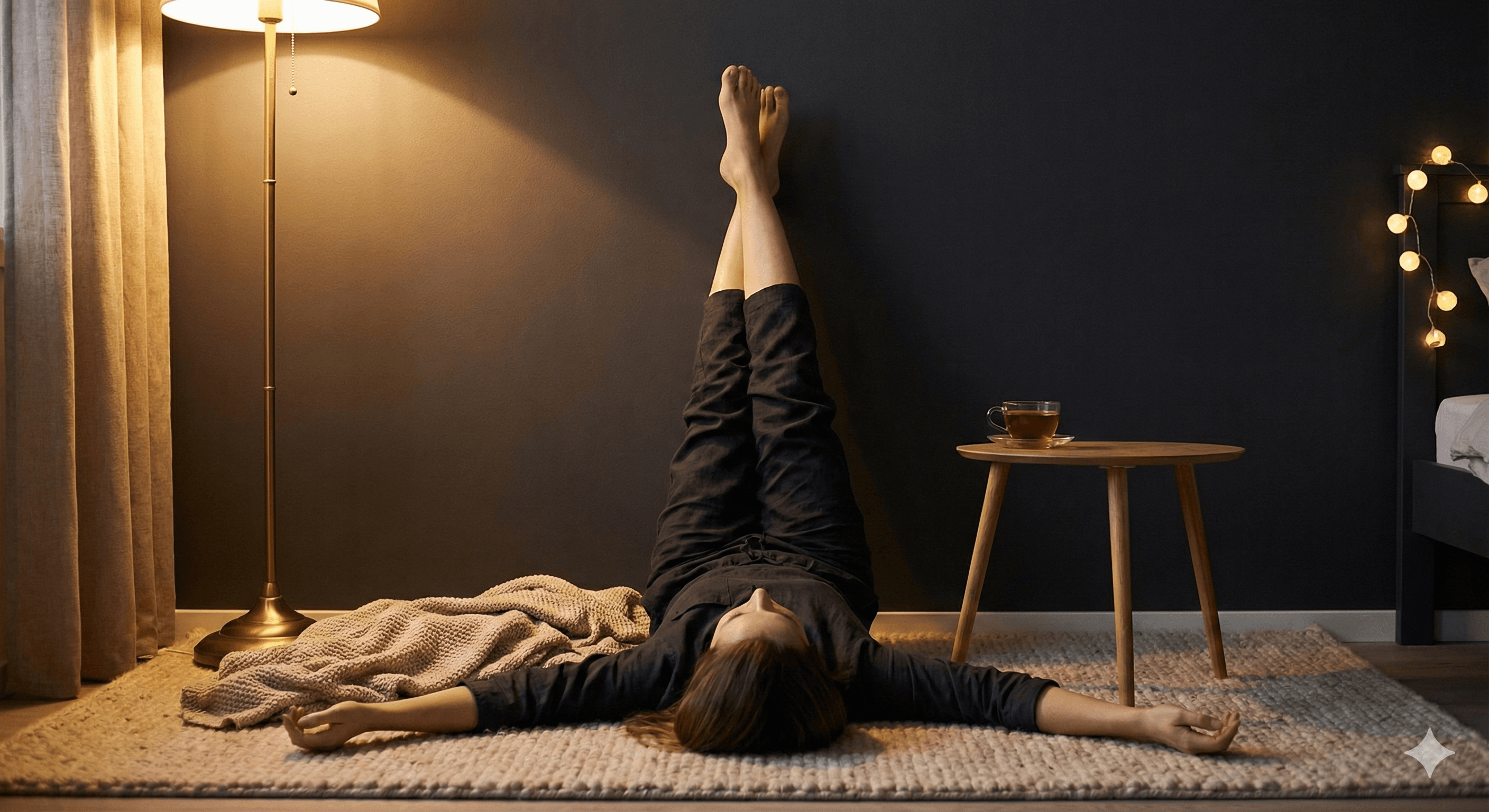
The final restorative pose to wrap up your session.
How to do it: Find a comfortable spot against the wall and lay your legs up on the wall as you lie back on the floor. Keep your arms relaxed by your sides.
Why it works: This pose completely takes the weight off of your spine and feet and increases circulation throughout your pelvis and lower back, allowing for deep relaxation of your pelvic and lower back muscles.